Camino del Norte: Hiking the Beautiful Spanish Coast
Looking for a long walk with beaches and coastal headland hills, but want a bed every night? The Camino del Norte is a less crowded route that follows the northern coast of Spain for 510 Miles (820 Kilometers).
You can walk barefoot on the beach, eat lunch at a restaurant, climb a coastal headland, and end the day with a communal dinner at an albergue all in one day!
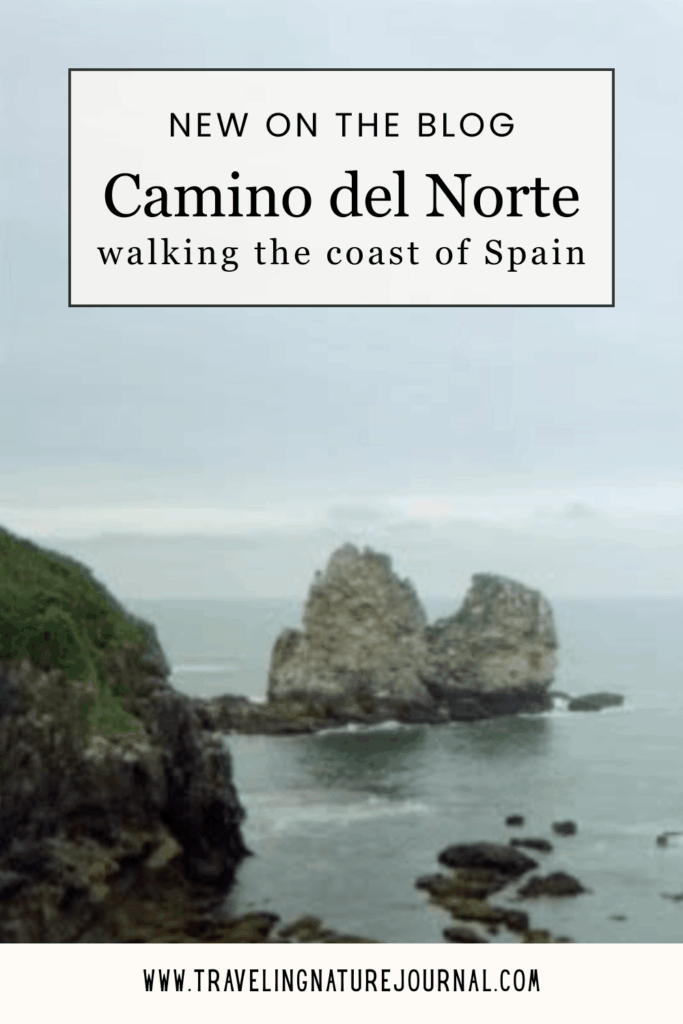
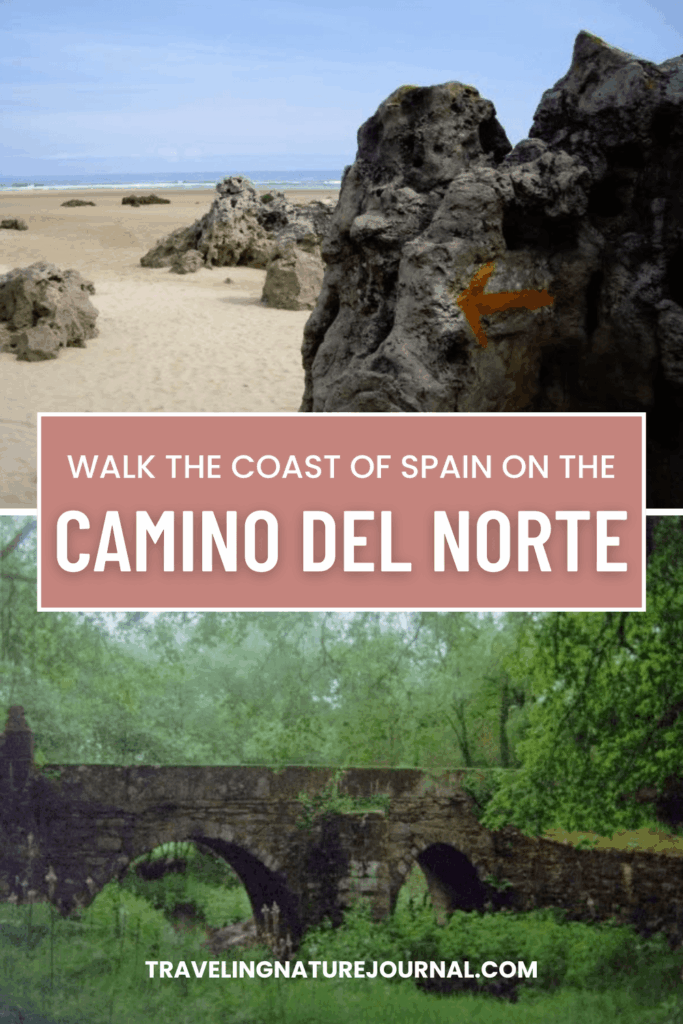
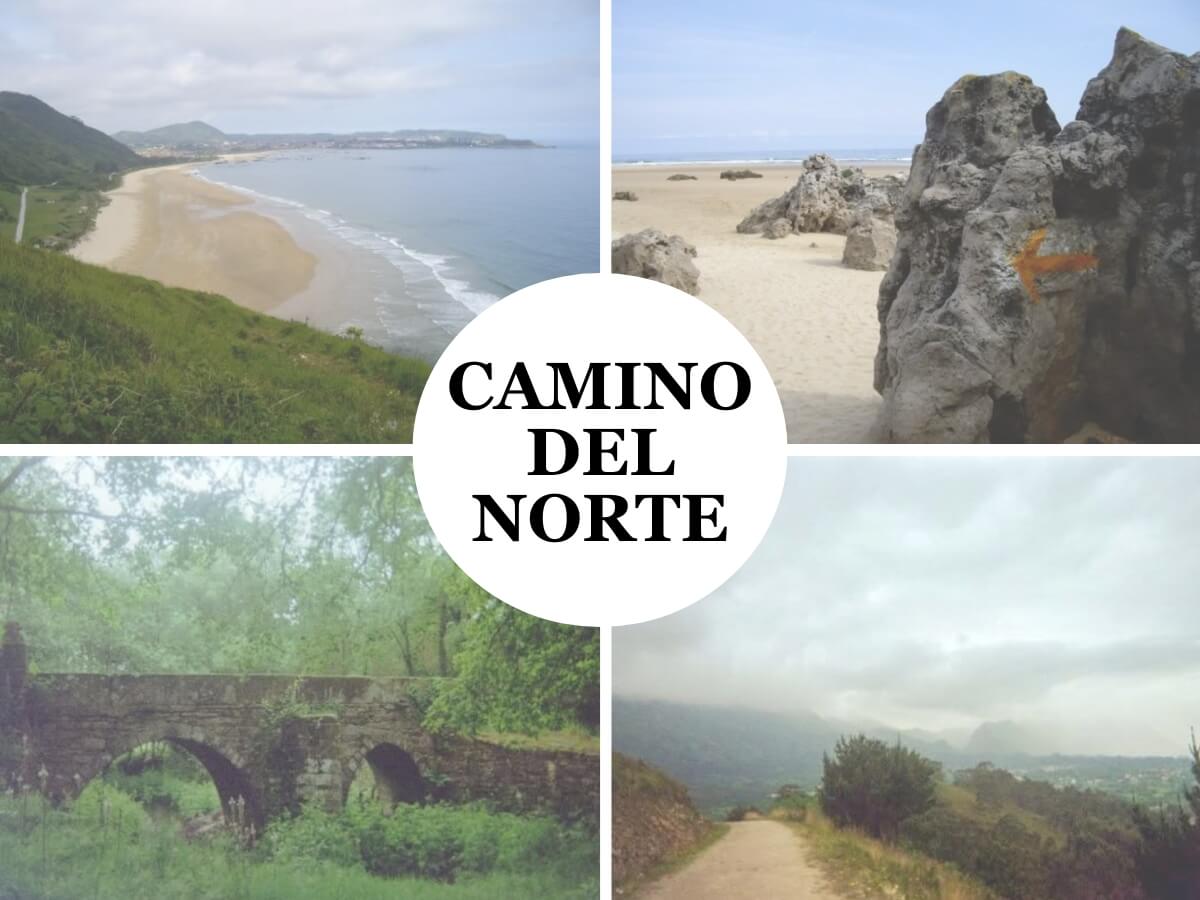
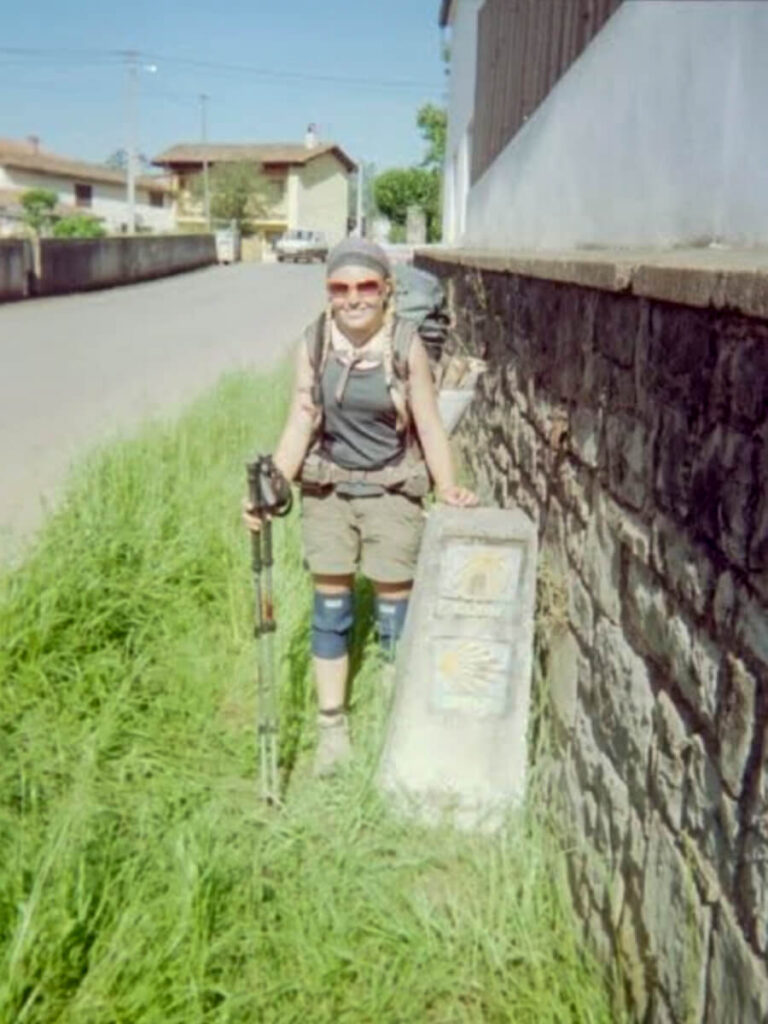
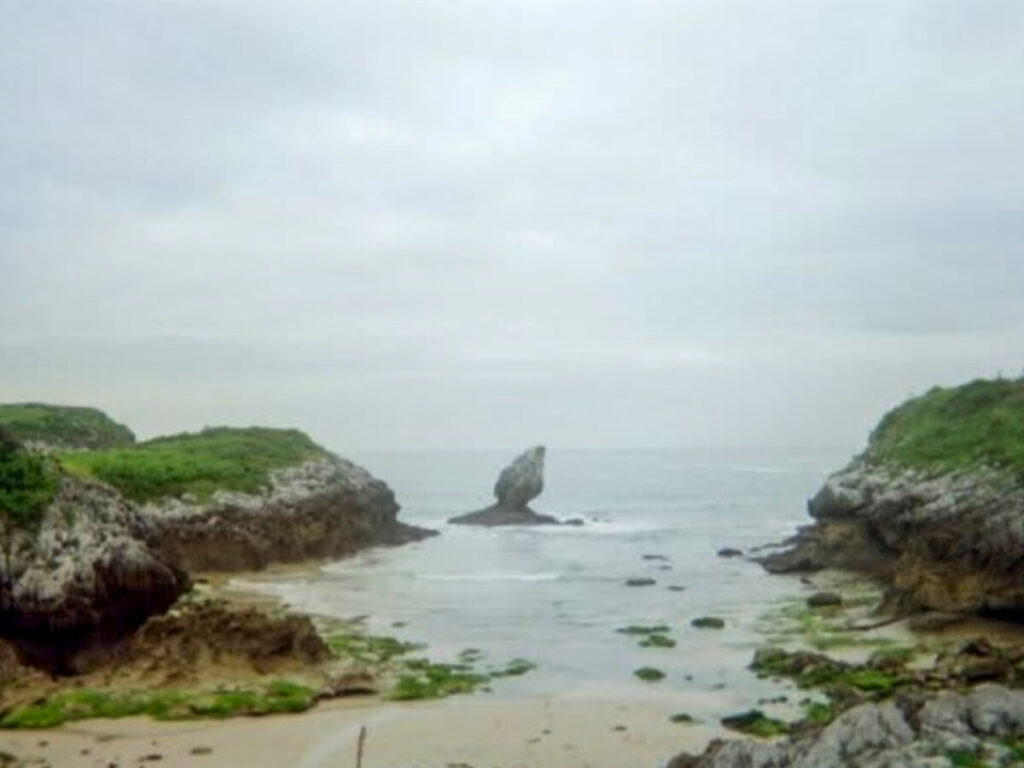
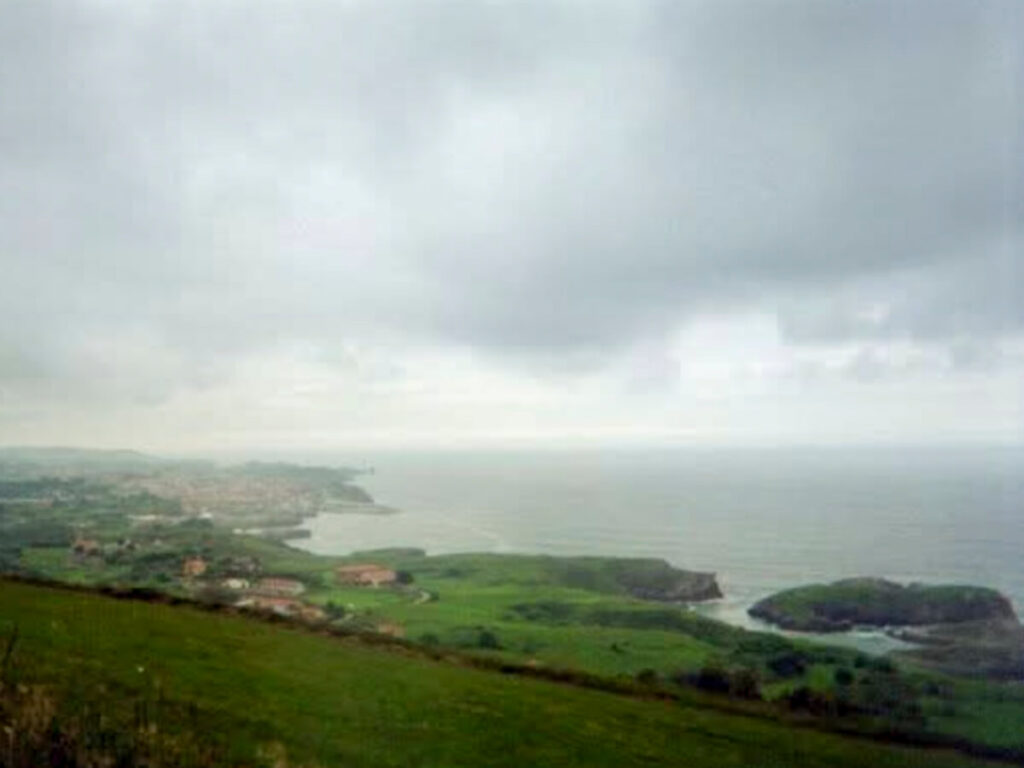
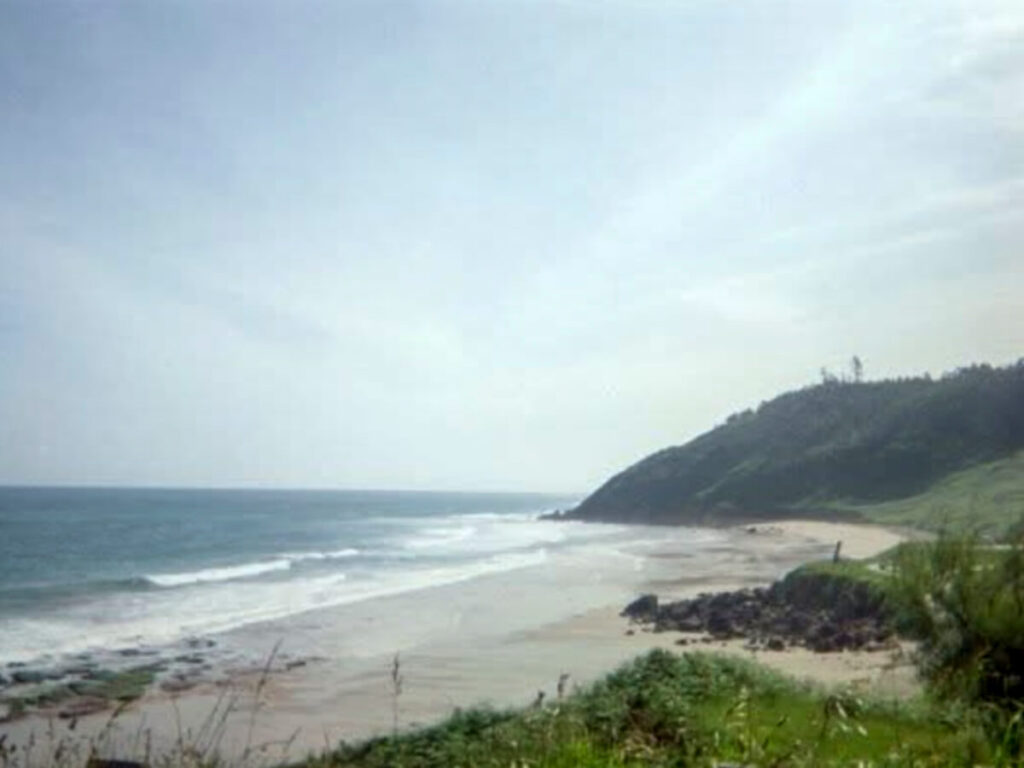
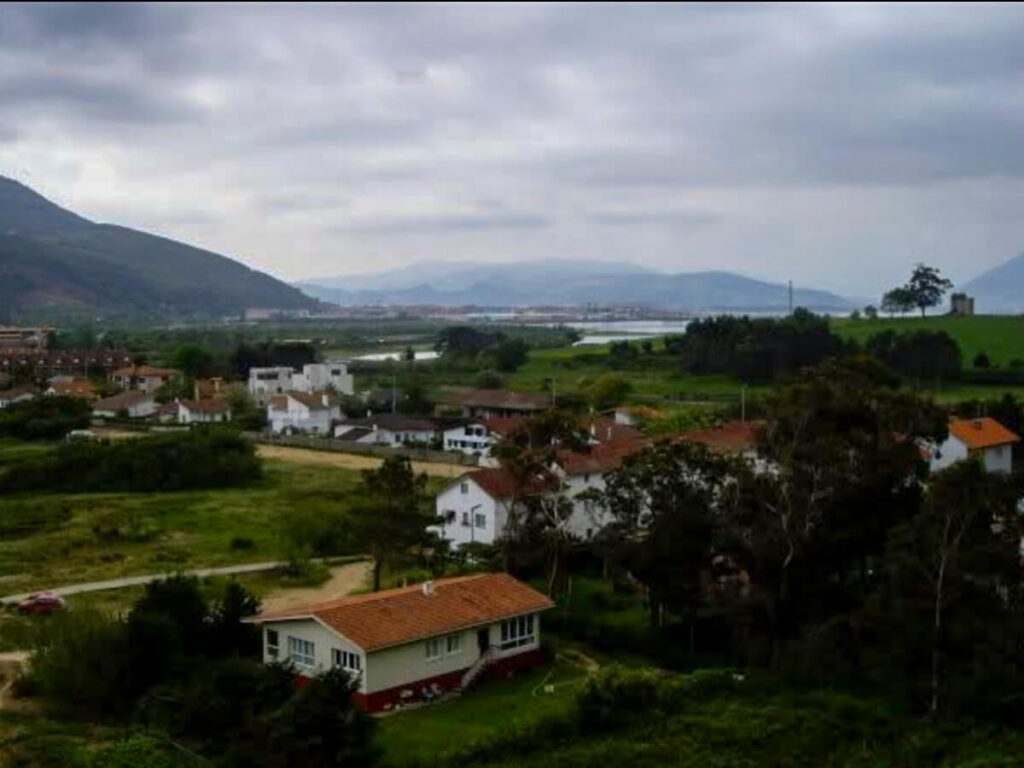
I walked the Camino del Norte in 2009 (hence the vintage photos from my disposable cameras) and loved it! On my most recent Camino adventure, I updated my knowledge from 2009 to make it applicable today.
All in all, the Camino del Norte is a little harder and a little less busy than the Camino Francés. If you’re looking for a little more challenging terrain with slightly fewer crowds, the Camino del Norte is for you!
This post contains affiliate links. If you purchase a product or book through these links, I can make a small commission at no cost to you. It helps me to keep writing helpful guides.
List of Contents
Camino del Norte Map & Quick Facts
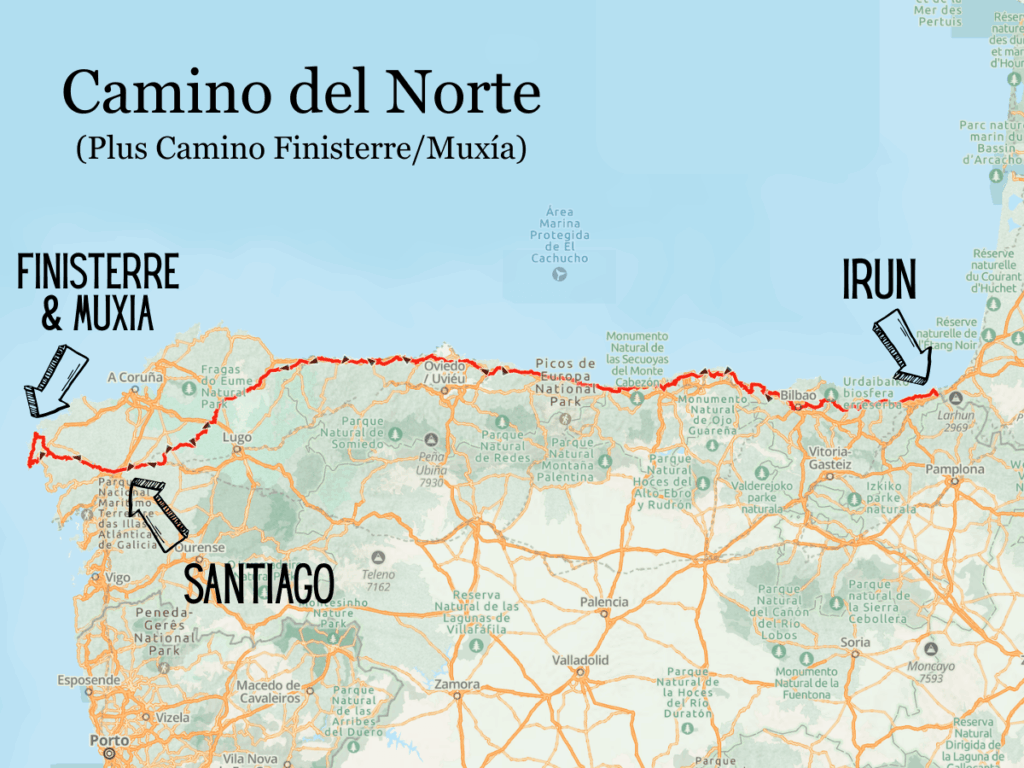
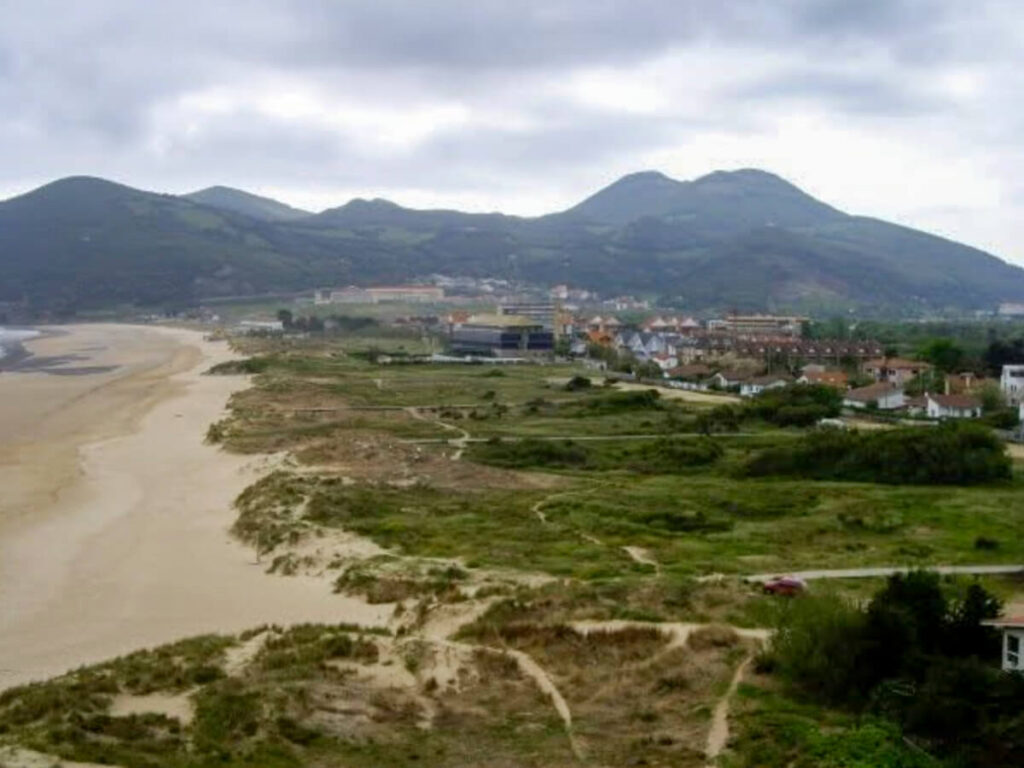
The Camino del Norte is a beautiful route along the northern Spanish Coast. You’ll frequently have the opportunity to walk barefoot on the beach, then put on your shoes and climb to a higher view from the headlands.
You will eventually connect with the Camino Frances in Arzúa (or a newer way further west) to walk into Santiago.
Distance: 510 Miles (820 Kilometers)
Start: Irún, Spain
Finish: Santiago de Compostela, Spain
Additional Add-On: Camino Finisterre and/or Camino Muxía
Stages: 36
Average Time Needed: 26-40 Days
Needed Documents: Passport & Camino Passport (Credential)
Difficulty: Harder than the Camino Frances and the Portuguese Camino. Similar difficulty to the Camino Primitivo. Easier than most U.S. thru-hikes.
Best Months to Walk the Camino del Norte
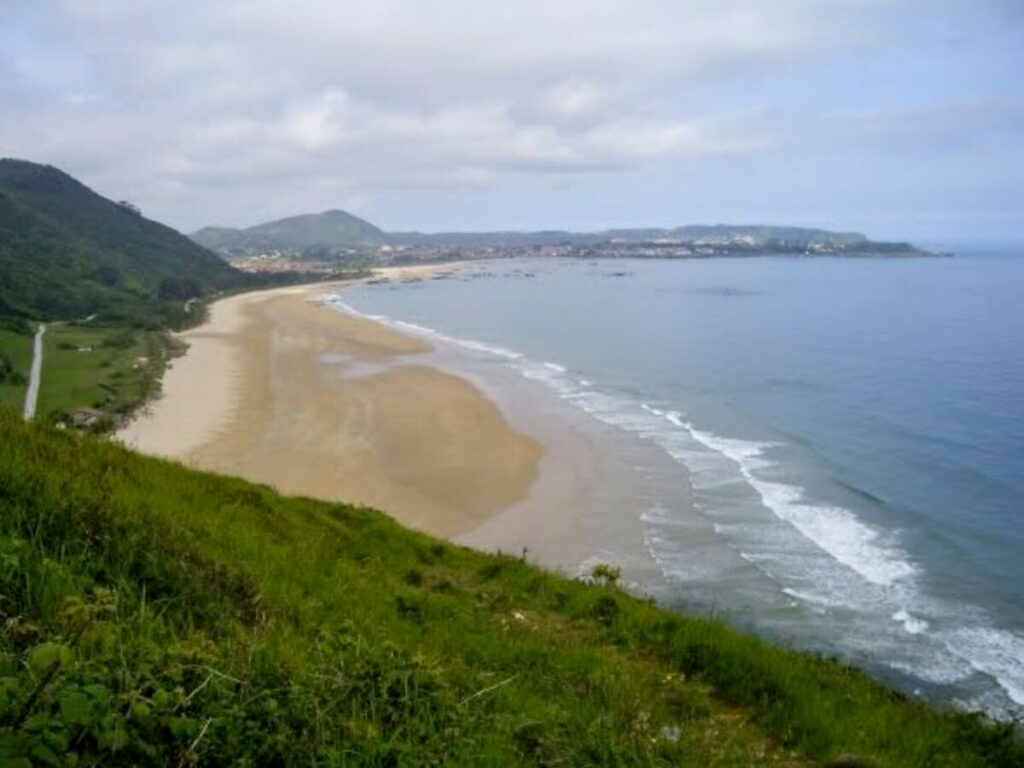
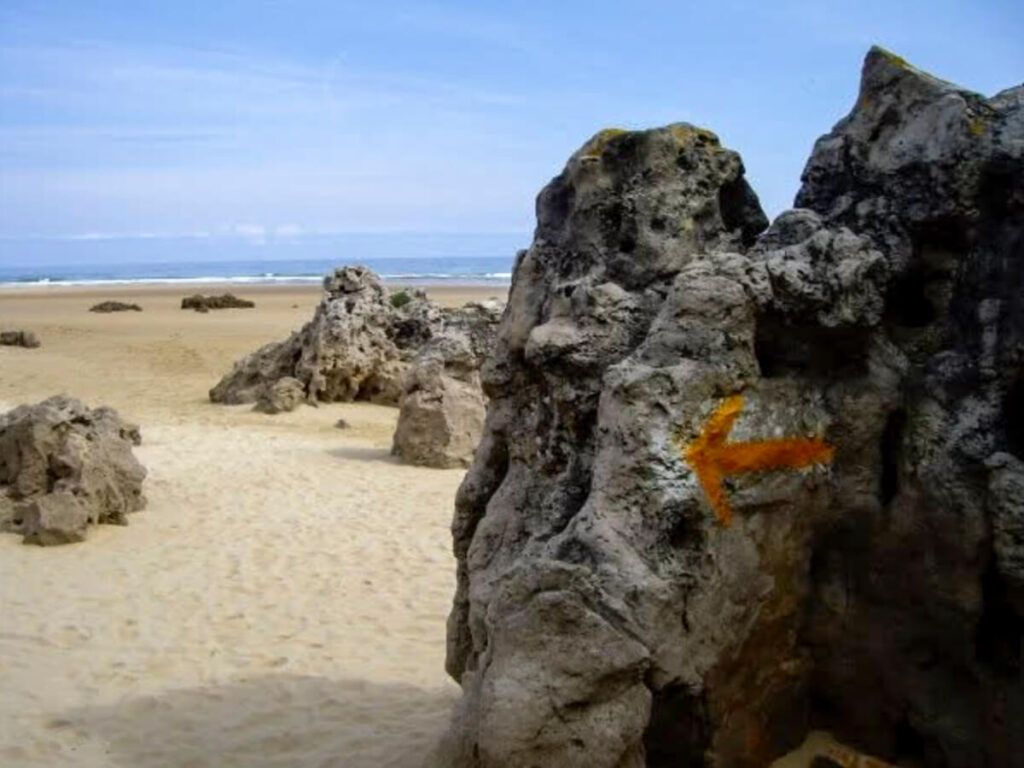
The Camino del Norte has about a six-month window where you can walk it (mostly) comfortably.
Factors to consider are:
- 🥶/🥵 Weather
- 🛌 When albergues are open
- 👯 Busiest Times
In general, you can walk the Camino del Norte from May to October.
This is because most albergues are seasonal and they close in the winter months. I started in early May and encountered several albergues still closed for the season. When this happened, I stayed in a regular hostel or a private room.
The best weather would be in July/August. However, July and August are the busiest. This two-fold. First, it’s the most common time for summer vacations. Second, Santiago’s Saint Day is July 25th, so the religious folks aim for Santiago then.
Thus, the best overall months to walk the Camino del Norte are May/June and Sept/October.
Difficulty, Terrain, Fitness Needed
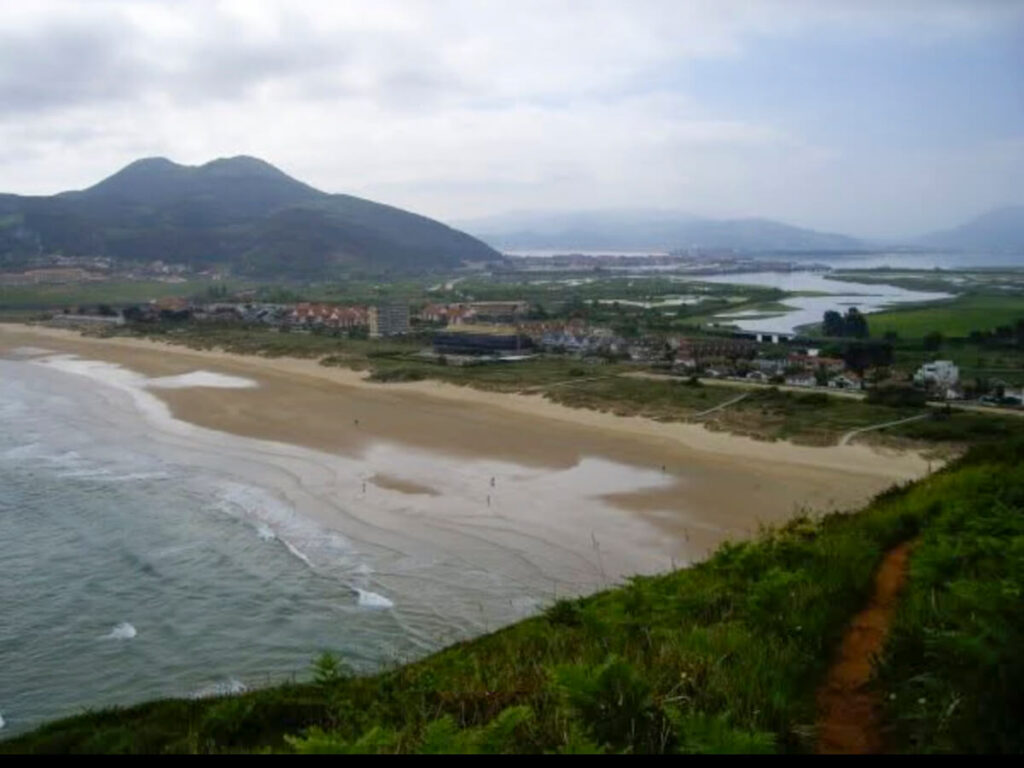
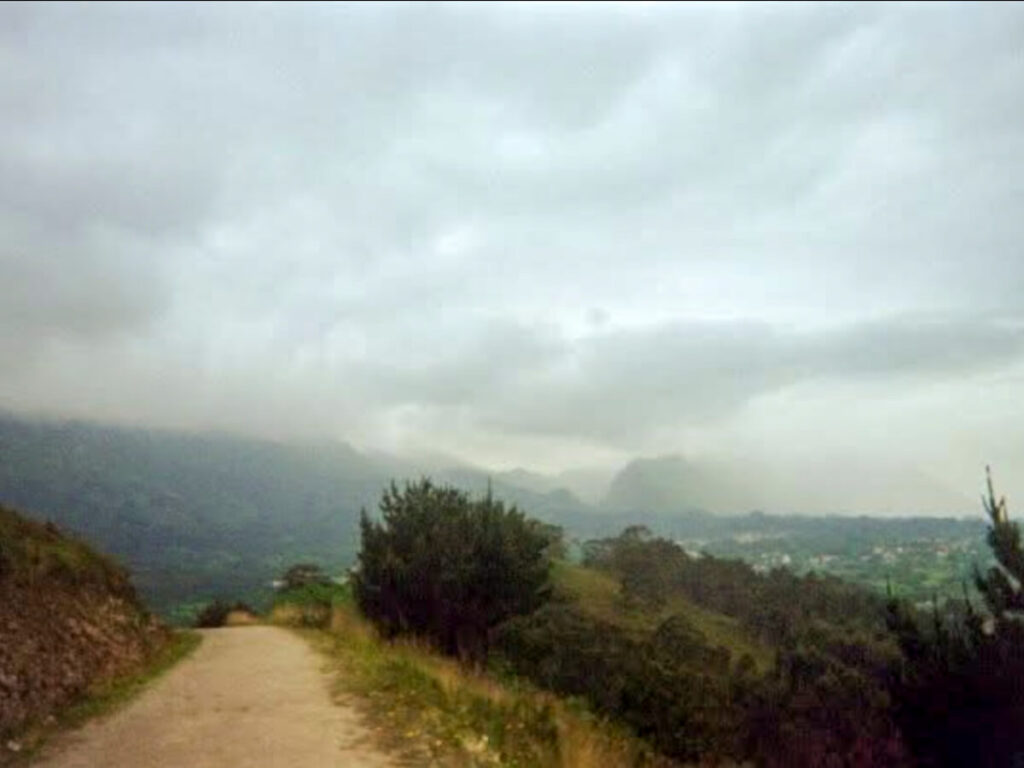
Having hiked four different Caminos, the Camino del Norte was more challenging than the Camino Frances and the Portuguese Camino. It was equally difficult as the Camino Primitivo.
That being said, I also think it’s easier than most US thru-hikes. The fact that you don’t carry much food and get a bed with a shower every night makes it physically less demanding.
The terrain on the Camino del Norte is mostly long sandy beaches, coastal trails on the headlands, and some road walking in and out of towns.
I recommend having hiking poles for the steep climbs. Some of the trails have eroded over time, and having poles is a great way to keep your balance.
As with any long walk, you’ll want a good base level of fitness. You can use whatever gym equipment you have to get your body in motion. If you have no equipment, start walking around your neighborhood.
Before you leave home, I recommend checking out my blog post on how to avoid blisters. I had some truly nasty blisters on my first Camino. That post compiles all my knowledge over the last 21,000 miles that I’ve hiked since then to avoid them!
🎒 Pro-Tip: I highly recommend packing your full Camino pack and walking around your neighborhood with it to get accustomed to the extra weight. I love training for hikes with a full backpack, walking outside, on a treadmill, or even on an elliptical!
Camino del Norte Packing List
What I packed in 2009 on the Camino del Norte is not what I would recommend today. The basics are the same, but backpacking gear has evolved drastically since then.
If I hiked it again this year, I would use the setup I used on the Portuguese Camino (my most recent).
You can click here for my full Camino packing list with explanations.
Below is the Cliff Notes version of that list:
👟 Footwear (I prefer my Tevas 🩴)
😴 Lightweight Sleep/Town Clothes (I used this shirt and shorts)
🧢 Hat with a brim!
🪑 Sit Pad
🧥 Fleece Mid-Layer (This is an easily available Melanzana look-a-like)
🌧️ Rain Jacket
☔️ Ultralight Umbrella (rain or sun!)
🚶♀️Trekking Poles (With Rubber Bottoms Added)
🧖♀️ Fast Drying Towel
🛏️ Silk Liner (Super light sheet)
🛌 Lightweight Quilt (Bed bugs in old blankets are gross)
🛍️ Reusable Bag
📔 Camino Passport (you can get ahead of time or in Porto)
⌚️Athletic Watch (not necessary, but fun)
Navigation: Recommended Phone Apps
I loved seeing how much better Camino navigation has gotten since I hiked in 2009.
Then, there literally was no English guidebook except a very unhelpful one written by a British cyclist. It was so unhelpful for those on foot that I threw it in the trash and got a Spanish one while I was there. Luckily, my Spanish was just proficient enough to work.
Now, you don’t even need to carry a guidebook! You can use phone apps with GPS. (You don’t have to ask three people for directions and see which two match. 😂)
While all the following GPS Camino del Norte apps theoretically have offline maps to use in airplane mode, they glitch too much to be effective. Once I used them with eSIM data, they loaded without a problem. Having an eSIM helped me navigate, check reviews, find vegan food, and book albergues (especially when the weak albergue Wi-Fi got overloaded each night!)
Far Out: This is the best app to make sure you’re following the route’s line. It’s also the best at measuring distances to and from waypoints. While it does have some albergue information, it never has everything, so be sure to scan around for all the options. It costs less to buy the Camino del Norte trail than the subscription.
Wise Pilgrim: This app had the best overall information on albergues (though some prices are outdated). The map, once loaded with data, also worked very well. It costs a small one-time fee, but it works well.
Buen Camino: This app is free, but it is the most opinionated in its descriptions. I would toggle between this app and Wise Pilgrim to find all the albergue info. It does have maps, but they work better online than offline. I found I stopped reading the descriptions of both the route and the history on this app.
Camino Ninja: Take this one with a large grain of salt. It’s free and suitable for getting a (very) basic layout of your day. When I compared the distances from the app to my (accurate) GPS watch, they were often short by 1-2 km per day. Lastly, while it might say a café is there, it doesn’t give any hours. Please don’t depend on it without cross-referencing Google Maps.
Stages: Should You Follow Exactly?
The idea of stages is a carry-over from the physical guidebook days. They break up the whole Camino del Norte into more manageable parts that can assist in planning.
Most people have a hard time conceptualizing 510 miles into days of walking. Thus, stages were created to help plan how much to hike and where to stay.
There are 36 stages on the Camino del Norte.
Some of these stages are very short, and some are quite long. It’s up to you to decide if you follow them exactly day by day or not.
Personally, I ignore them. I’ve found that there are often hidden gem albergues in the middle of stages. They don’t get as much traffic because so many people follow each stage from beginning to end.
I like to look ahead while hiking roughly 15-20 miles and find what looks good. If I’m feeling tired, I might plan a short day and walk only 10 miles so I can have the afternoon off.
Basically, the stages are there to help show you progress and conceptualize the whole better. You don’t need to follow them exactly unless you want to.
Albergues on the Camino del Norte
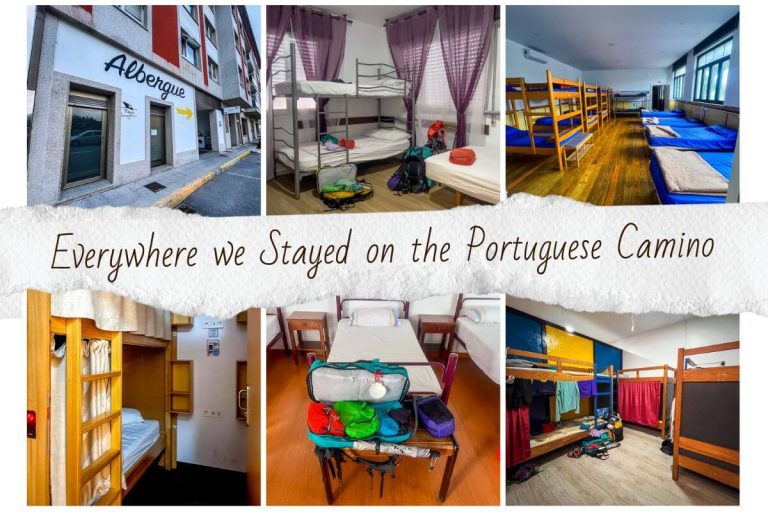
One of the most unique aspects of walking a Camino is the albergues. It’s usually the best place to find community, from shared dorms to shared meals; it’s where people gather.
If I’ve jumped ahead of you, here is everything you need to know about albergues!
You need a Camino Passport (credential) to stay in albergues. Each albergue will have its own unique stamp to mark your passage on the Camino. This is what you will turn in at the end to prove you walked and get your finishing certificate (Compostela).
You will find both municipal and private albergues on the Camino del Norte.
Municipal albergues are the cheapest, but usually have the fewest amenities. They are first-come, first-served for available beds.
In contrast, private albergues typically have fewer bunks per room, more shared space, are cleaner, and cost about twice as much as a municipal albergue.
I started to prefer the private albergues more because I can book them 1-2 nights ahead. This allowed me to have a more relaxed day of walking if I wasn’t racing to get a spot in the municipal albergues.
Of course, there are often other options for private rooms, regular hostels, and even hotels for a change of pace. Or more likely…a night away from the snorers. (If you have sleep apnea, you can now bring your CPAP machine and have it taxied from albergue to albergue and allow everyone to sleep better.)
While you should be aware of the potential for bed bugs due to frequent bed turnover, do my 8-point check and don’t let it worry you too much!
Food, Grocery Stores, and Pilgrim Meals
For the most part, there is some food in most towns on the Camino del Norte. If you have no dietary restrictions, you will likely be fine unless you get in very late.
Keep an eye out for cafés which usually have bocadillos (basic sandwiches), toast, coffee, and tea. They will often have some basic snacks and cold drinks.
Other times, you’ll find restaurants that have a larger menu. Around dinner, you’ll sometimes find a “pilgrim menu.” This usually consists of two courses, dessert, and wine (and is usually a deal).
For those of you with dietary restrictions (hi vegans 🙋🏼♀️), you’ll want to pay attention to grocery stores. It’s best to always have a good snack stash in case you come to a very small village, and they don’t have much besides bread and fruit. I have definitely miscalculated before and eaten bread and jam for dinner with an apple.
In my experience on Caminos between 2008-2024, it has only gotten easier to be a vegan or vegetarian there. That being said, I also got better at spotting potential gaps in decent food and would carry food from a grocery store to prepare later. I wrote a vegan food guide for the Portuguese Camino, drawing on my experience from the other Caminos I’ve hiked.
Camino del Norte Last 100km & Arriving in Santiago
The last 100 kilometers of the Camino del Norte are entirely inland, not along the coast.
As it heads toward Santiago, the Camino del Norte will merge with the Camino francés. There are now multiple ways to join the Camino francés later, but most people will join near Arzúa.
As with any Camino, you will still see a drastic increase in people within this stretch. It’s best to plan your albergues 1-2 days in advance to ensure you have a bed. As soon as you know what night(s) you’ll be in Santiago, book that ahead as well.
Since the Camino has entered the digital phase, you’ll also need to apply for a QR code to get your Compostela. You’ll want to do this at least one day in advance! The form is located here. It’s also free.
After you complete the form, it will email you a QR code. Definitely check your junk/spam folder…that’s where I found it.
Once you arrive in Santiago, you can take that QR code to get another QR code (yes, really). The second QR code gives you entry to the building at a specific time to get your Compostela.
Do this ASAP on busy days because if you get in late, you might need to return the following morning for your time slot.
Continuing West to Finisterre And/Or Muxía
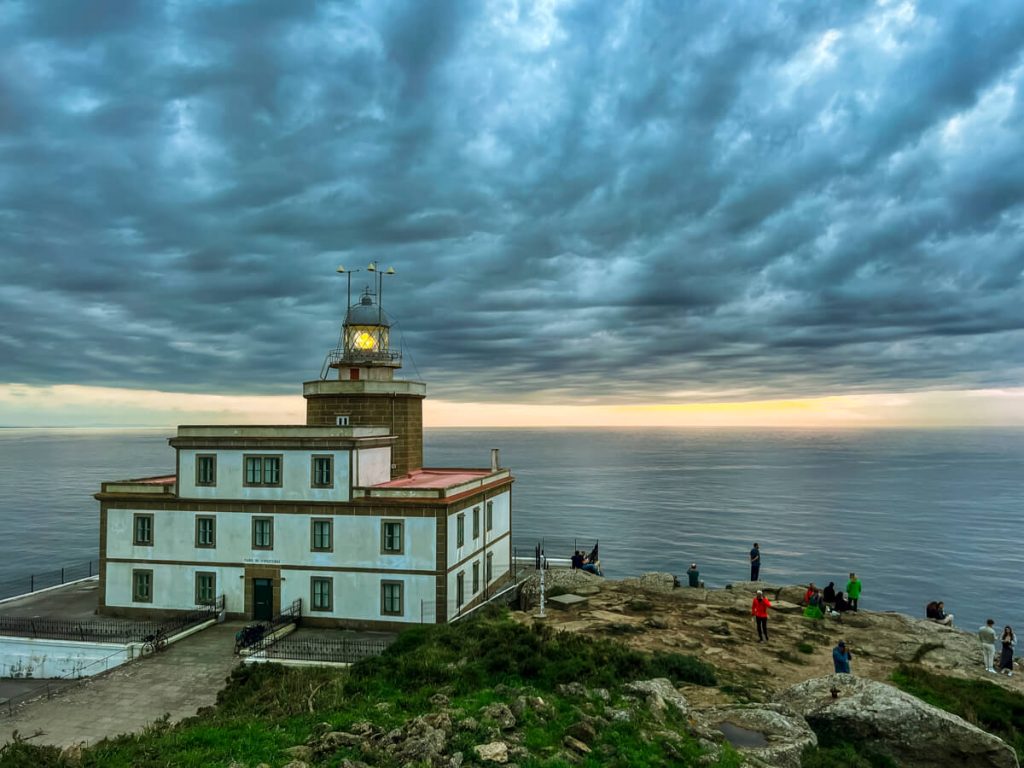
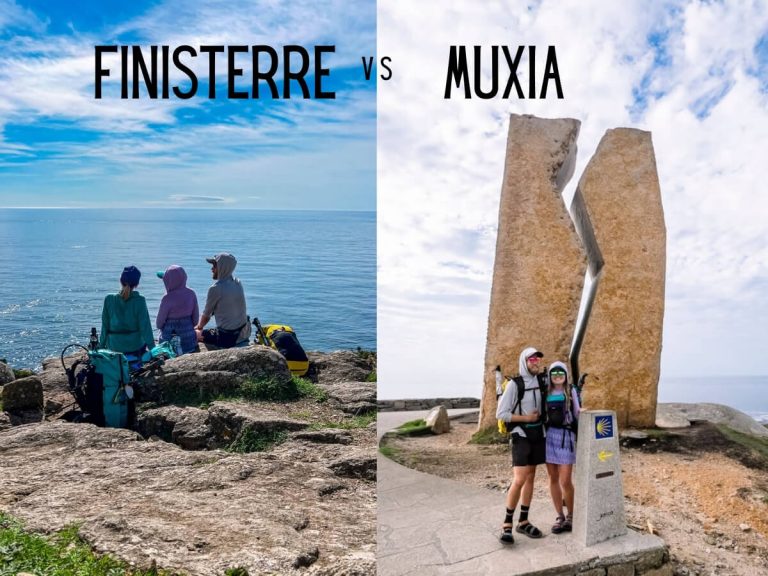
I will always suggest continuing your Camino out to Finisterre and/or Muxía. After the chaos of Santiago, the extra few days walking to the ocean can help you transition from your trip back to thinking about your life afterward.
To get to either one, you’ll need 3-4 days, depending on your pace. If you juuuust aren’t finished yet, you can walk an extra 28 kilometers between the two!
Either way, finishing your walk at the ocean where you literally can’t walk west anymore is a wildly cool feeling. I HIGHLY recommend!
If you only have a day, you could still visit via two methods.
First, you could visit either Finisterre or Muxía on your own with the local buses. If you take this route, book both the bus there and back in advance! In the peak summer season, they can sell out.
Second, you could take a day tour, which does all of the planning for you. These take you to both Finisterre and Muxía as well as other locations! I took a similar day trip from Lisbon to Sintra, and it was so fun to turn the planning over to a guide for a day after planning the whole Camino.
Final Thoughts
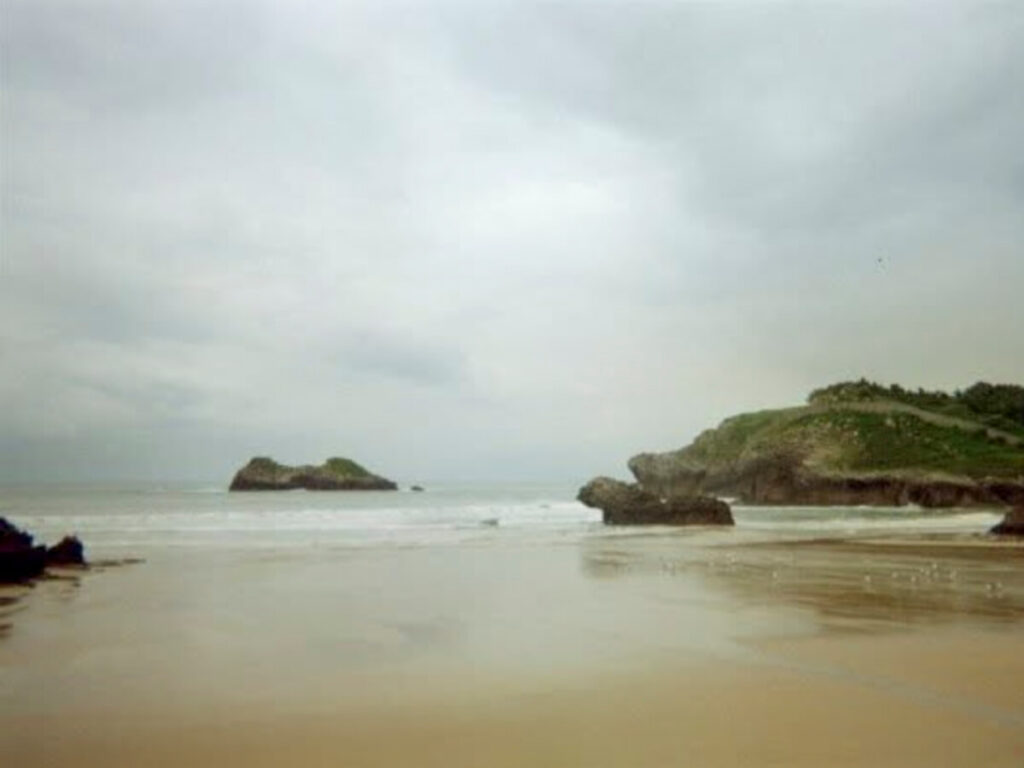
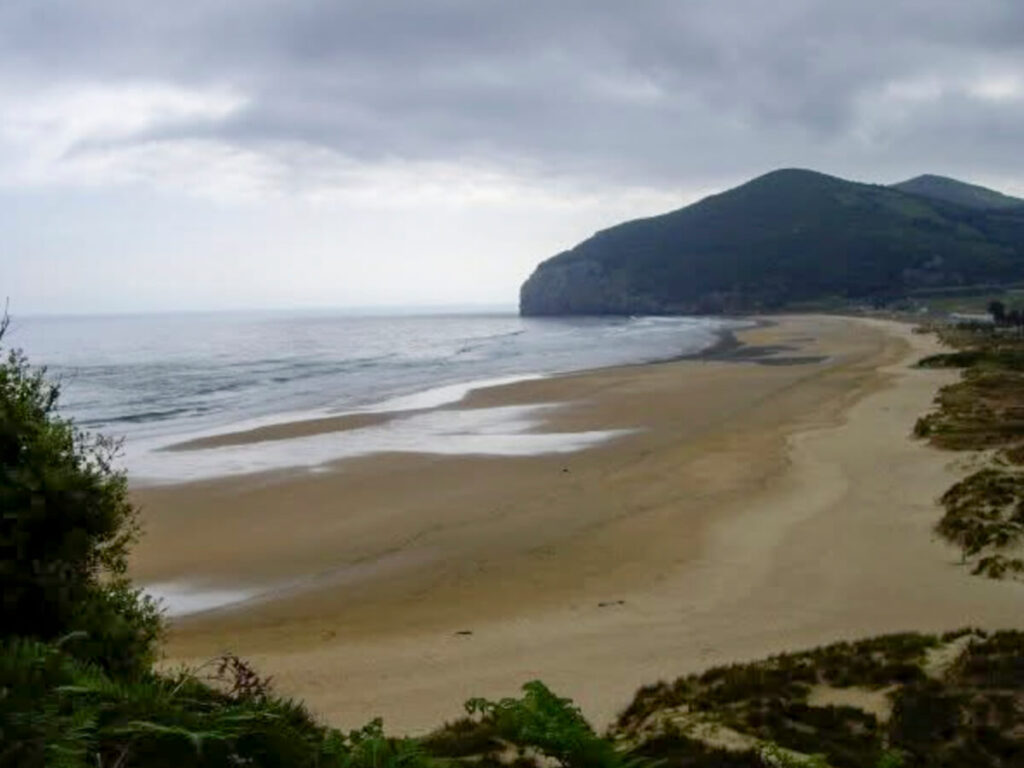
If you’re looking for fewer people than the Camino francés and can hike harder terrain, the Camino del Norte is for you. While the climbs can get steep, you’ll be rewarded with fantastic views.
You’ll want a solid base level of fitness before you start having a good time on this one. Not only for the climbs, but occasionally for the longer gaps between albergues.
I LOVED this route. Of the four Caminos I’ve walked, my favorite two were the Camino del Norte and the Camino Primitivo. I hope this one becomes a favorite for you, too!
¡Buen Camino!
📌 Pin it for Later Reference